With the passage of time, our vision often experiences changes that can be both challenging and hard to navigate. One of the most notable developments in eyewear technology has been the introduction of progressive lenses, which provide a smooth transition between multiple focal lengths. Unlike classic bifocals and reading lenses, progressive lenses give a natural viewing experience, enabling wearers to see clearly at all distances without the obvious lines that can interfere with one’s appearance and comfort. This progression in lens design has also transformed the way we handle vision correction but has additionally improved the overall well-being for millions.
Recognizing when and how to change to progressive lenses can be essential for those dealing with issues in their everyday activities. Whether you are contemplating the advantages of progressive lenses over classic bifocals, evaluating their adjustability post-cataract surgery, or seeking ways to adapt faster to this new set of lenses, understanding the nuances of these lenses is important. From addressing concerns like dryness of the eyes to overcoming astigmatism, the journey of picking the right lens is both a personal and informative one. Through this exploration, we aim to clarify clarity in vision and improve daily experiences.
Adjusting to Varifocal Lenses
Getting Used to progressive glasses can be a smooth transition with the right approach. Many wearers find that taking the time to acclimate to the new optical design is essential. In the beginning, it may feel strange to shift between different focal areas, but this is a normal part of the adaptation process. Focus on utilizing your lenses in various contexts, such as perusing, using a computer, or walking, to help your vision get used more easily.
To get used to progressive lenses in a timely manner, consider the positioning of your face and how you view through the lenses. Instead of moving just your vision to view different ranges, try to tilt your face gently to locate the best viewing area. This can boost your satisfaction and make it feel better. Frequent practice will reinforce your brain's ability to cope and improve your total visual clarity.
If you encounter unease or visual distortions, don't delay to reach out to your eye care professional. They can ensure your eye prescription is precise and suggest modifications if required. Remember, calmness is key, and with regular use, the benefits of varifocal lenses will become evident, providing you with the definition and flexibility for all lengths.
When to Switch to Progressive Lenses
Determining when to switch to progressive lenses can be a crucial step in addressing changing vision needs. Progressive Lenses Warranty Issues face issues with their eyesight as they age, particularly when it comes to focusing on objects at various distances. If you find yourself struggling with dual vision, such as looking at a book and then quickly shifting your gaze to a computer screen or across a room, it could be time to think about progressives. These lenses can offer a seamless transition between different focal areas, alleviating the constant need to switch between multiple pairs of glasses.
Another key factor in deciding the right time for progressives is your age. As a general guideline, individuals in their mid to late forties may start noticing presbyopia, a natural condition that affects the eye's ability to focus on near objects. If you are reaching this age milestone and have observed struggles in reading or performing tasks that require enhanced visual clarity, switching to progressive lenses can significantly improve your quality of life. They provide a more comprehensive solution compared to traditional bifocals, as they eliminate the visible line that frequently characterizes outdated lens options.
Finally, consulting with your eye care professional is crucial when considering the switch. Your optometrist can assess your vision needs and recommend the most suitable solutions tailored for you. They can also help solve concerns such as managing astigmatism, or whether progressives are suitable following operations like cataract surgery or LASIK. Being open about your visual challenges and lifestyle will allow your eye care provider to help you make an informed decision about the best time to embrace progressive lenses for ideal vision correction.
Comparing Glasses: Bifocals vs. Progressive lenses
Bifocals have been a popular choice for several years, primarily designed to assist those with presbyopia, enabling users to see both near and far without needing to change glasses. They feature a visible line that separates the prescription for distance vision from that for reading. While simple in design, bifocals can sometimes lead to a jarring transition between focal points, making it challenging for some users to adjust comfortably.
On the other hand, progressive lenses offer a more continuous visual experience. Unlike bifocals, progressive lenses provide a gradient of rising lens power, allowing for clear vision at all distances—far, intermediate, and near—without any obvious lines. This design not only enhances aesthetic appeal but also greatly improves functionality, making it easier for users to transition their gaze smoothly between various focal points.
Ultimately, the choice between bifocals and progressives depends on individual preferences and lifestyle needs. For those who desire flexibility and a more natural visual experience, progressive lenses are often favored. However, https://collegian.com/2018/05/the-new-backyard-bird-food-truck-stands-out-as-for-its-master-chefs-take-on-fried-chicken/ may find two-vision lenses sufficient for their everyday activities, particularly if they mostly engage in tasks that require primary focus within set distances. Each option has its advantages, and understanding individual vision needs is important in making the best decision.
Progressive Lenses for Vision Correction Patients
For patients who have undergone eye surgeries such as lens replacement or laser vision correction, progressive lenses can play a important role in correcting vision. These lenses provide a smooth transition between various vision areas, allowing patients to see distinctly at various distances. After lens replacement surgery, patients often experience alterations in their vision that can be addressed effectively with multifocal lenses, fulfilling their need for both near and reading vision.
Switching to progressive lenses after any eye surgery may require some adaptation. While the vision correction provided can be substantial, patients might experience temporary unease or a sense of distortion. However, with time and tips on how to adjust multifocals faster, many will find their vision improves to offer a clear experience. It is important to work in collaboration with an eye care professional to ensure that the lens prescription is adapted to the individual's post-surgery requirements.
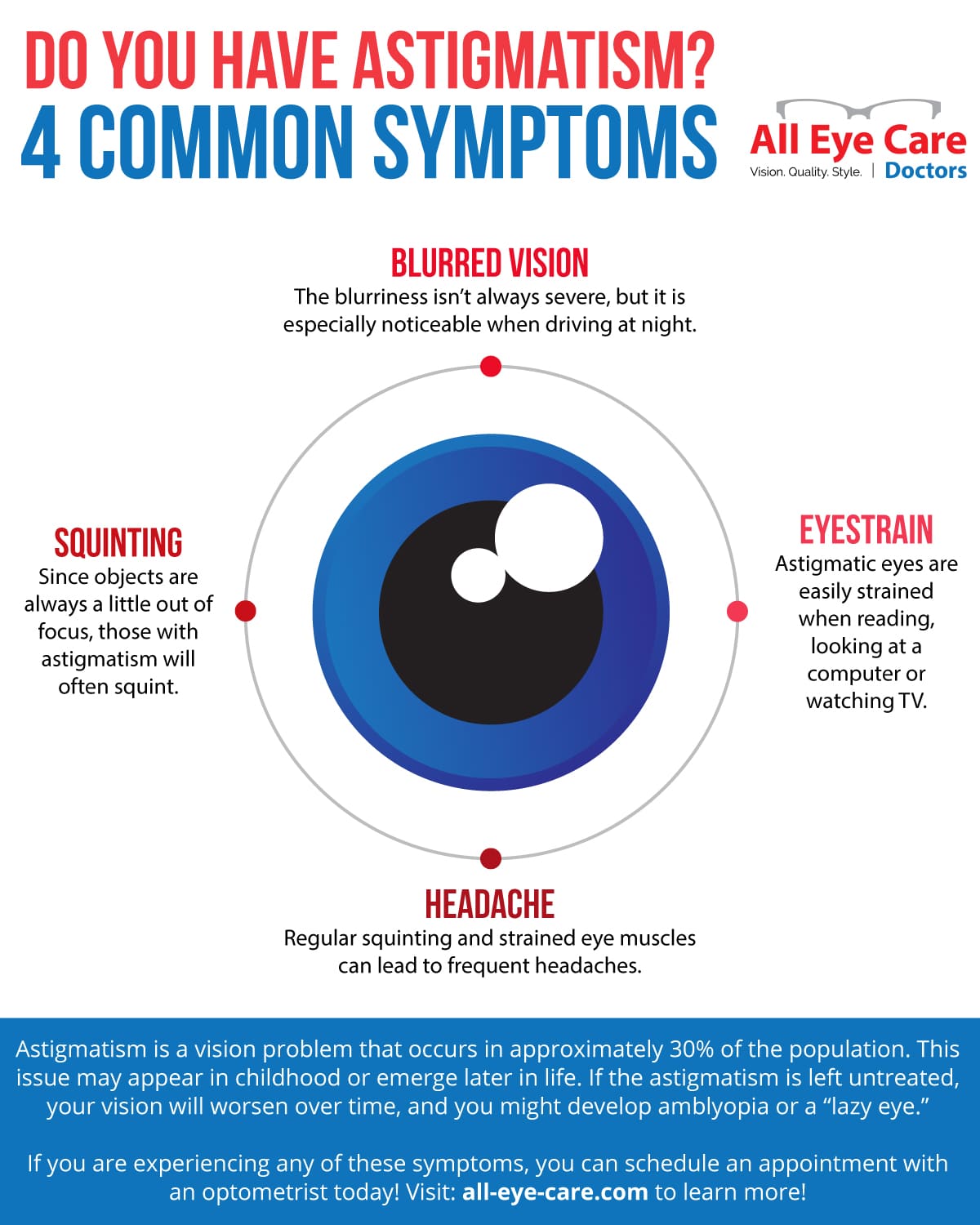
For those with astigmatism, multifocal lenses can be designed specifically to address this condition, providing an even more personalized visual solution. Patients should communicate any lingering discomfort, such as eye dryness, with their optometrist, as this can often be addressed with proper care. Utilizing multifocal lenses after vision correction procedures not only improves the quality of visual acuity but also greatly improves the overall visual experience, helping patients regain their independence and quality of living.